

Introduction
Trailing power cables are essential components of modern life, enabling the transmission of electricity from power sources to various devices and equipment. These cables come in various shapes, sizes, and configurations, providing flexibility and convenience in powering a wide range of electrical appliances. However, despite their ubiquity and utility, trailing power cables can pose significant safety risks if not used and maintained properly.
In this comprehensive guide, we will explore the various aspects of trailing power cables, including their types, applications, safety considerations, maintenance best practices, and regulatory requirements. By understanding these key aspects, users can ensure the safe and efficient use of trailing power cables in their homes, workplaces, and other settings.
Types of Trailing Power Cables
Trailing power cables come in different types and configurations to suit specific applications and environments. The most common types of trailing power cables include:
1. Extension Cords: Extension cords are flexible cables with plugs on one end and sockets on the other end, allowing users to extend the reach of electrical outlets. These cables are commonly used in homes, offices, and outdoor settings to power various devices and equipment.
2. Power Strips: Power strips are multiple-outlet devices that incorporate a length of trailing cable with several sockets. They are often used to power multiple devices from a single power source, providing convenience and flexibility in connecting electrical appliances.
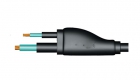
3. Retractable Cables: Retractable cables feature a mechanism that allows the cable to retract into a housing when not in use. These cables are commonly used in vacuum cleaners, power tools, and other portable devices to minimize clutter and prevent tangling.
4. Heavy-Duty Trailing Cables: Heavy-duty trailing cables are designed for industrial and commercial applications that require higher voltage ratings and enhanced durability. These cables are typically used in construction sites, factories, and other demanding environments.
Applications of Trailing Power Cables
Trailing power cables find a wide range of applications in various settings, including residential, commercial, industrial, and outdoor environments. Some common applications of trailing power cables include:
1. Home Appliances: Trailing power cables are used to power a variety of home appliances, such as televisions, refrigerators, washing machines, and computers. Extension cords and power strips are commonly used in homes to provide additional power outlets and flexibility in connecting devices.
2. Office Equipment: In office settings, trailing power cables are used to power computers, printers, scanners, and other office equipment. Power strips with surge protection are often used to protect sensitive electronic devices from power surges and fluctuations.
3. Construction Sites: Heavy-duty trailing cables are essential in construction sites to power tools, machinery, and temporary lighting. These cables are designed to withstand rough handling, exposure to dust and debris, and other harsh conditions commonly found in construction environments.
4. Outdoor Events: Trailing power cables are used to provide temporary power supply for outdoor events, such as concerts, festivals, and sports events. Outdoor-rated extension cords and power distribution boxes are commonly used to safely distribute power in outdoor settings.
Safety Considerations for Trailing Power Cables
Safety is paramount when using trailing power cables to prevent electrical hazards, fires, and other accidents. Here are some key safety considerations to keep in mind when using trailing power cables:
1. Inspect Cables Regularly: Before using a trailing power cable, inspect it for any signs of damage, such as frayed insulation, exposed wires, or overheating. Do not use damaged cables, as they can pose a serious safety risk.
2. Avoid Overloading Outlets: Do not overload power strips or extension cords by plugging in too many devices or appliances. Check the wattage rating of the cable and ensure that the total power consumption of connected devices does not exceed the cable's capacity.
3. Keep Cables Away from Water: Avoid using trailing power cables in wet or damp conditions, as water can conduct electricity and increase the risk of electric shock. Use outdoor-rated cables for outdoor applications and keep indoor cables away from water sources.
4. Do Not Run Cables Under Carpets: Running trailing power cables under carpets or rugs can cause overheating and pose a fire hazard. Instead, use cable protectors or tape to secure cables to the floor and prevent tripping hazards.
5. Unplug Unused Devices: When not in use, unplug devices from power strips or extension cords to prevent standby power consumption and reduce the risk of electrical fires. Do not leave devices plugged in unnecessarily, especially when leaving the premises.
Maintenance Best Practices for Trailing Power Cables
Proper maintenance is essential to ensure the safe and reliable operation of trailing power cables. By following these maintenance best practices, users can prolong the lifespan of their cables and minimize the risk of accidents:
1. Store Cables Properly: When not in use, store trailing power cables in a cool, dry place away from direct sunlight and moisture. Avoid coiling cables tightly, as this can cause kinks and damage the internal conductors.
2. Clean Cables Regularly: Remove dust, dirt, and debris from trailing power cables using a soft brush or cloth. Do not use harsh chemicals or solvents, as they can damage the cable's insulation and conductors.
3. Avoid Sharp Bends: Do not bend trailing power cables at sharp angles, as this can weaken the internal conductors and lead to breakage. Use cable organizers or clips to maintain gentle bends and prevent strain on the cable.
4. Test Cables Periodically: Periodically test trailing power cables for continuity and insulation resistance using a multimeter or cable tester. Replace cables that show signs of deterioration or fail to meet safety standards.
Regulatory Requirements for Trailing Power Cables
In many countries, trailing power cables are subject to regulatory requirements and standards to ensure their safety and quality. These requirements may include:
1. Compliance with National Standards: Trailing power cables must comply with national standards and regulations governing electrical safety, construction, and performance. Manufacturers and suppliers are responsible for ensuring that their cables meet these standards.
2. Certification and Marking: Trailing power cables may be required to undergo testing and certification by authorized bodies to verify their compliance with safety standards. Ethernet and control cables that meet the necessary requirements are marked with certification labels or stamps.
3. Installation Guidelines: Installers and users of trailing power cables must follow manufacturer's installation guidelines and recommendations to ensure safe and proper use. Improper installation can lead to electrical faults, fires, and other hazards.
Conclusion
Trailing power cables are indispensable components of modern electrical systems, providing the flexibility and convenience needed to power a wide range of devices and equipment. However, their safe and proper use requires careful attention to safety considerations, maintenance best practices, and regulatory requirements.
By understanding the types, applications, safety considerations, maintenance best practices, and regulatory requirements of trailing power cables, users can ensure their safe and efficient operation in homes, workplaces, and other settings. Always prioritize safety when using trailing power cables and follow best practices to minimize the risk of accidents and ensure reliable power supply.